IAU General Assembly 2024 - Cape Town
  • Home
  • About the IAU GA 2024
    • Vision 2024
    • Why Should I Attend?
      • We Invite You
      • Accessibility
      • Impact
      • Sustainability
    • Organising Team
    • Supporting organisations
    • IAU Code of Conduct
    • Resources
    • Latest News
  • Registration
    • Register
    • Join us virtually
    • Registration Instructions
    • Donate a Registration
    • Participants list
    • Payment Options
  • Programme
    • Programme Overview
    • Detailed Programme
    • Presenter Instructions
    • Poster Schedule
    • Invited Discourses
  • Posters
  • Oral presentations
  • Session Recordings
    • Day 1 – August 6
    • Day 2 – August 7
    • Day 3 – August 8
    • Day 4 – August 9
    • Day 5 – August 12
    • Day 6 – August 13
    • Day 7 – August 14
    • Day 8 – August 15
  • Conference Proceedings
  • Hybrid E-Posters Setup
  • Daily Newspaper
  • Events/Outreach/Education
    • Events for Participants
    • Events for Public & Schools
    • Radio Astro
  • Scientific Side Events
  • Social Events
  • Exhibitors & Sponsors
    • Our Sponsors and Exhibitors
    • Sponsorships
    • Exhibitions
    • Payment Options
  • Travel Information
    • Destination Cape Town
    • Cape Town Food Guide
    • Safety
    • Childcare
    • Technical Tours
    • Visa Invitation Letter/ E-Visa
    • Travel, Hotel, Tours (via Travel Partner)
    • Getting to Cape Town
    • Accommodation in Cape Town
    • Venue
  • Contact Us
    • Contact Us
    • Volunteer
  • FAQ
  • Menu Menu
  • Twitter
  • Facebook
  • Instagram
  • LinkedIn

African astronomy in the news

May 19, 2020/in News/by wpadmin

In 2018, MeerKAT was launched and has given us the clearest view yet of the centre of our Galaxy.

Nature astronomy’s recent focus on Africa highlighted the exciting changes happening on the continent. Click on the images below for the articles.

Dark nights bring a bright dawn. Credit: Editorial, Nature Astronomy.
Astronomy and socioeconomic development in Africa. Credit: Nature Astronomy.
African star joins the radio astronomy firmament. Credit: Nature Astronomy.
Blue light in the desert night. Credit: Nature Astronomy.
South Africa celebrates completion of gigantic, super-sensitive telescope. Credit: Nature Astronomy and SARAO.
The Development in Africa with Radio Astronomy (DARA) project. Credit: Nature Astronomy.

SALT and SAAO telescopes partake in an unprecedented international collaboration to investigate the origin of the first detection of gravitational waves produced by two colliding neutron stars.
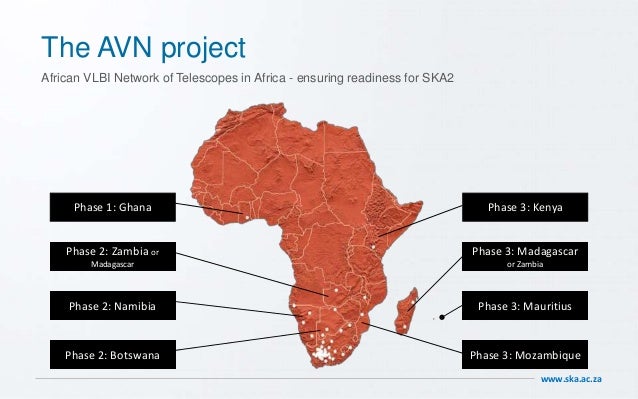
Image result for african vlbi network

The AVN is a network of VLBI-capable radio telescopes on the African continent, that will strengthen the science which the international VLBI community can do.

SALT, one of the largest optical telescopes in the Southern hemisphere, is producing exciting results. Optical astronomy is moving from strength to strength, indeed the South African Astronomical Observatory celebrated its 200th anniversary in 2020.

SALT located in the Karoo in Sutherland
The Victoria telescope. Credit: Anthony Koeslag.

Header image: SARAO.

https://astronomy2024.org/wp-content/uploads/2021/05/MeerKAT_GalacticCentre_medium.jpg 1040 2000 wpadmin https://astronomy2024.org/wp-content/uploads/2024/02/IAU-logo-date-transparent.png wpadmin2020-05-19 10:46:002021-05-19 14:17:00African astronomy in the news

Newsletter

© 2024 IAU General Assembly 2024 – Cape Town

Host City: Cape TownLaunch of the African Astronomical Society
Scroll to top